
Most people think design is about appearance.
Colors. Materials. Furniture. Trends.
But design is not decoration.
Design is how space shapes the way we live, move, think, and feel.
Architecture and interior design influence our daily routines more than we realize. The height of a ceiling affects our sense of openness. Natural light changes our mood. The layout of a home influences how a family interacts. A well-planned space reduces friction. A poorly planned one creates constant, invisible stress.
Good design is not loud.
It works quietly in the background.
Design Shapes Daily Life
Every space communicates something.
- A narrow corridor can feel oppressive.
- A well-proportioned living room encourages gathering.
- A carefully positioned window frames light like a painting.
- The way a kitchen is arranged determines how efficiently we cook.
- The relationship between living and dining areas affects how we host.
- The placement of storage determines whether a home feels calm or chaotic.
Design is not just about what we see.
It is about how we experience space.
When architecture is thoughtful, life flows naturally.
Design Impacts Value , Financial and Emotional
Many people view architecture and interior design as an added cost.
In reality, good design protects value.
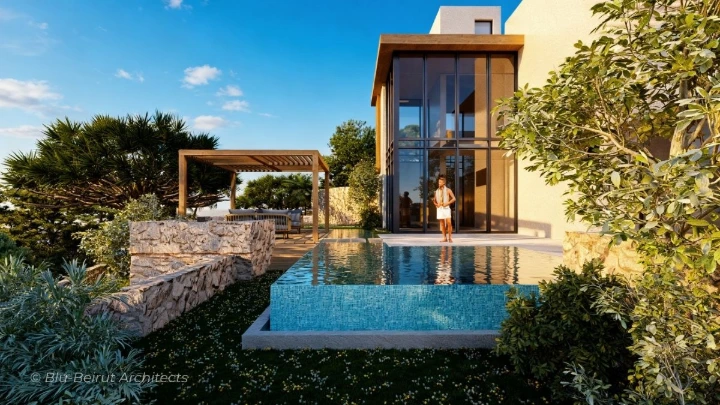
- A well-designed home maintains resale strength.
- A properly coordinated project avoids costly construction mistakes.
- A well-planned hotel increases operational efficiency and guest satisfaction.
- A restaurant layout directly affects staff workflow and customer comfort.
Beyond financial return, there is emotional value.
- A home that feels balanced reduces stress.
- A workspace that feels intentional improves productivity.
- A hospitality space that tells a story creates lasting impressions.
Design influences both numbers and feelings.
Design Prevents Problems Before They Happen
Most renovation mistakes happen before construction begins.
- Incorrect lighting plans.
- Improper circulation widths.
- Poorly placed air-conditioning systems.
- Insufficient storage.
- Misaligned contractor coordination.
When design is rushed, these issues appear later .... and cost far more to fix.
Professional architecture and interior design are not about adding complexity.
They are about anticipating problems early, when solutions are still simple.
Good design is preventive.
Design Is an Investment, Not a Trend
Trends change.
- Proportion does not.
- Natural light does not.
- Comfort does not.
- Clarity of space does not.
Timeless design focuses on balance, material integrity, and spatial flow. It respects context. It considers how the space will age. It prioritizes experience over fashion.
At Blu-Beirut, design begins with understanding: the site, the client, the lifestyle, the long-term vision. From there, architecture becomes a framework for living, not just a visual statement.
We do not design for the moment.
We design for endurance.
Final Reflection
Design matters because life happens inside space.
And when space is intentional, life feels lighter, clearer, and more harmonious.
That is the quiet power of architecture.
If you are planning a residential, commercial, or hospitality project, thoughtful design from the beginning makes all the difference.
Explore Our Architecture & Interiors Projects to see how design shapes experience.
If you are planning a project of your own, Contact Blu-Beirut to begin the conversation.